Best Beauty Gadgets for a Real Glow Up (No Irritation)
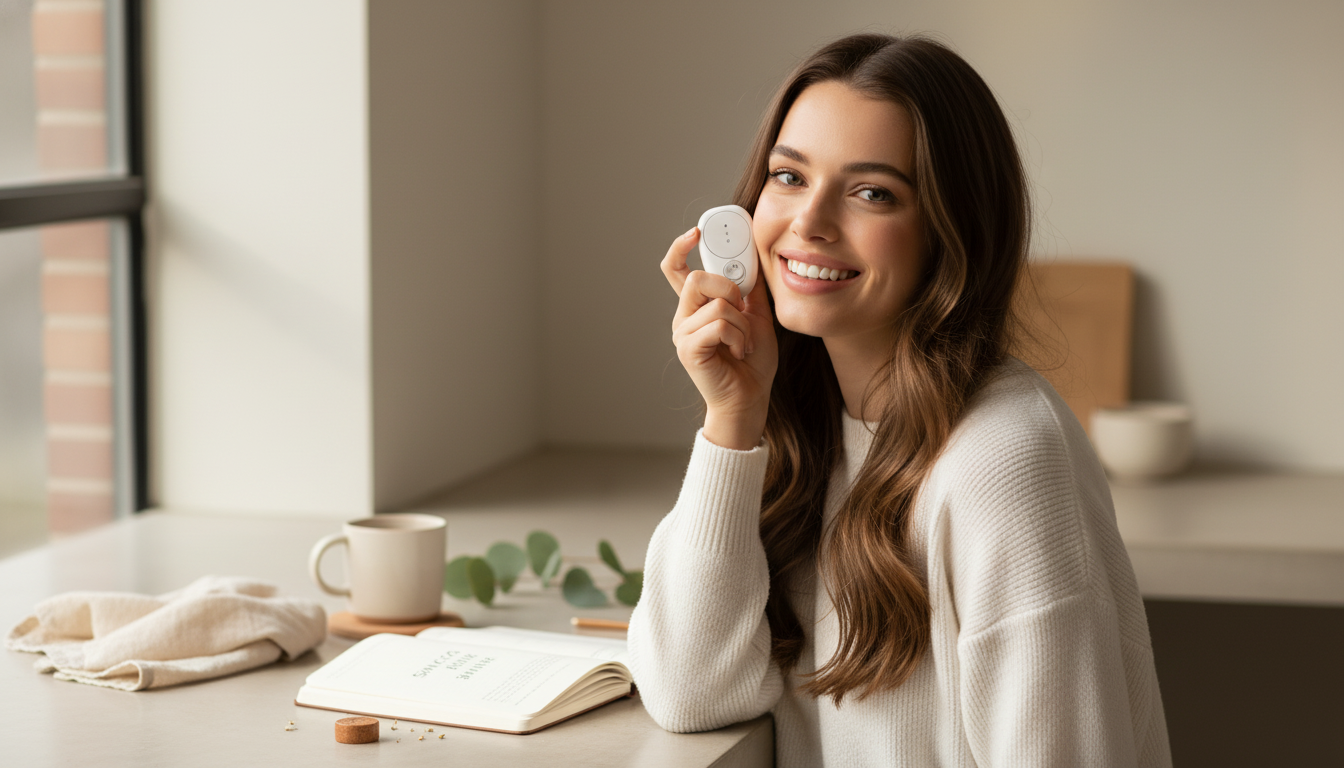
Glow Up With the Hottest Beauty Gadgets: What’s Actually Worth It
Beauty tech has officially moved from “fun extra” to genuinely useful—especially when it helps you stay consistent with the basics: cleansing, treating, moisturizing, and protecting. The best tools don’t replace skincare or hair care fundamentals; they make good habits easier to repeat, easier to track, and (sometimes) gentler than guessing with harsh DIY fixes.
This guide breaks down the most popular beauty gadget categories, what they really do, how to use them without irritation, and how to build a simple glow up rhythm you can keep up with.
The beauty tech glow up: what’s worth the hype (and what isn’t)
- Chase outcomes, not trends: hydration, smoother texture, more even tone, fewer breakouts, less frizz, and a calmer scalp are realistic goals.
- Gadgets should support habits: they work best alongside gentle cleansing, moisturizer barrier support, and daily sunscreen—not instead of them.
- Be skeptical of “instant” claims: most devices need steady use over weeks, plus conservative settings to avoid irritation.
- Introduce one change at a time: patch-test and stagger new tools/actives so you can identify what’s triggering redness, bumps, or dryness.
Skincare gadgets: LED, microcurrent, cleansing devices, and at-home exfoliation
Skincare tech can be helpful, but only when you keep your barrier happy. If your skin stings when you apply moisturizer, that’s your cue to simplify before adding a device.
LED masks and wands
LED devices are commonly used for acne-prone routines (often blue light) and to support the appearance of redness or fine lines (often red light). Follow your device’s time limits, use eye protection when recommended, and avoid “stacking” long sessions in hopes of faster results. For a research overview on photobiomodulation, visit NCBI.
Microcurrent tools
Microcurrent devices are designed to stimulate facial muscles for a more lifted, sculpted look over time. They tend to work best for people who can commit to short, frequent sessions. Always use with conductive gel/serum (never on dry skin), and skip or reduce intensity if you experience twitching discomfort or headaches.
Cleansing brushes
Cleansing devices can help remove sunscreen and makeup more thoroughly for some skin types, but they can also over-exfoliate. Keep pressure feather-light, start with low frequency, and clean the brush head regularly to avoid bacteria buildup that can worsen breakouts.
At-home exfoliation tools
Gentle is the goal. Avoid layering multiple exfoliating methods at once (strong acids + scrubby tools + retinoids). When you’re using any resurfacing or brightening approach, daily SPF becomes non-negotiable. For general skin care guidance, see the American Academy of Dermatology Association.
Quick guide to popular skincare tech
| Gadget type | Best for | How often to start | Common mistakes |
|---|---|---|---|
| LED (red/blue) | Breakouts, visible redness, uneven look | 2–4x/week, short sessions | Too long sessions; skipping eye protection; expecting overnight results |
| Microcurrent | Sculpted look, puffiness routine support | 3–5x/week | Using on dry skin; inconsistent use; pushing too much intensity |
| Cleansing device | Makeup/sunscreen removal support | 2–3x/week | Pressing hard; daily use on sensitive skin; not cleaning the head |
| Gentle exfoliation tool | Texture + dullness | 1x/week | Layering with strong actives; over-polishing; using on irritated skin |
Hair and scalp innovations: growth-support routines, exfoliation, and soothing tech
Scalp care is skin care. Before buying “growth” gadgets, address the basics: dryness, itch, buildup, and sensitivity. An inflamed scalp can make everything feel worse—shedding included.
- Scalp massagers and exfoliating brushes: helpful for distributing shampoo and lifting buildup, but use a light hand to avoid irritation.
- Serums and tonics: tend to work best on a clean scalp and with consistent application. If you’re prone to folliculitis, be cautious with heavy oils.
- Heat-styling upgrades: choose tools with adjustable temperatures, and treat heat protectant like part of the routine—not an optional step.
- Know when to get help: sudden or severe shedding can be tied to stress, iron levels, thyroid issues, or postpartum shifts. Consider professional guidance if it’s rapid or alarming.
AI beauty tools: virtual try-on, routine builders, and progress tracking
AI can make beauty shopping and routine-building more efficient—especially if you treat it like a helpful assistant, not a medical expert.
If you want a structured way to experiment with tech without overbuying, explore See Your New Look Before You Try It | AI Tools to Visualize Hairstyles and Makeup Guide.
The self-care glow up checklist: a simple weekly rhythm that sticks
For a printable, organized approach to routines and gadget categories, see Glow Up With the Hottest Beauty Gadgets | Digital Beauty Guide, Skincare Tech, Hair & Scalp Innovations, AI Beauty Tools, Self-Care Glow Up Checklist.
Safety and smart buying: how to avoid irritation and wasted money
For broader safety context around devices and claims, review the U.S. Food & Drug Administration medical device information.
A digital guide to keep it all organized
FAQ
How often should beauty gadgets be used for visible results?
Start with conservative frequency—LED about 2–4 times per week, microcurrent 3–5 times per week, and cleansing brushes 2–3 times per week—then hold steady for 4–8 weeks to judge results. If irritation shows up, reduce frequency first before changing multiple other variables.
Can LED masks or microcurrent be used with retinoids and exfoliating acids?
They can, but it’s easier on your skin when you separate them onto different nights and keep active strength modest while you’re introducing a device. If you notice persistent stinging or redness, pause actives and devices until your barrier calms, and seek professional guidance for conditions like rosacea or eczema.
What’s the fastest way to glow up without buying lots of devices?
Stick to a tight routine: gentle cleanser, moisturizer, daily SPF, and one targeted treatment you’ll actually use consistently. If you add anything extra, choose one optional device that matches your main concern and prioritize sleep, hydration, and clean tools.












Leave a comment