Holistic Wellness for Beginners: The Whole You Guide
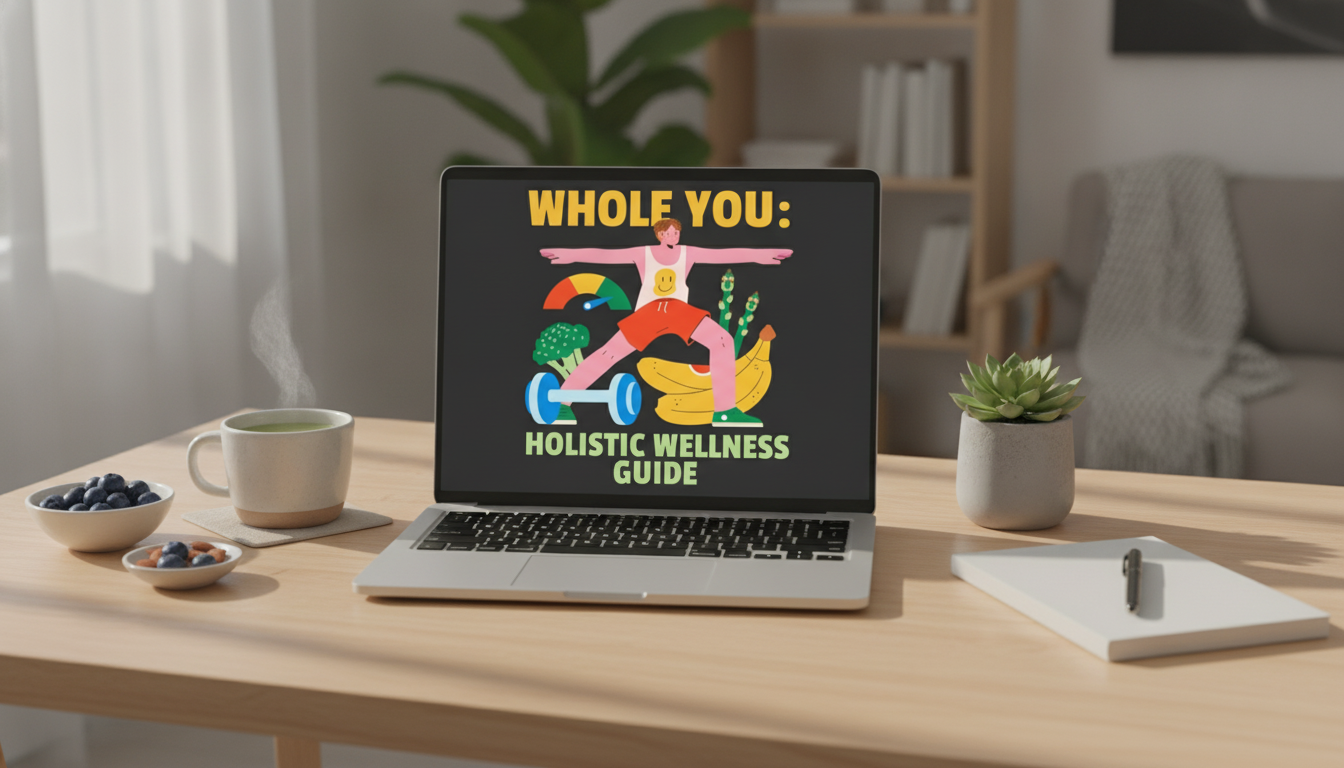
Whole You: A Beginner’s Holistic Wellness Guide for Nutrition, Movement, Mindset, and Self-Care
Holistic wellness is less about perfection and more about small, connected habits that support how the body feels, how the mind copes, and how daily life is structured. This guide lays out a beginner-friendly path across nutrition, exercise, mental health, and self-care—plus a simple weekly framework to turn good intentions into repeatable routines.
What “Holistic Wellness” Means in Real Life
Holistic wellness works because the “pillars” don’t live in separate boxes. Food affects energy and cravings; movement supports mood and confidence; stress can disrupt sleep; and self-care practices determine whether healthy intentions actually happen on busy days.
A practical beginner definition: daily actions that improve energy, strength, emotional steadiness, and recovery—without extreme rules. The most helpful starting mindset is building a minimum effective routine first (easy enough to repeat even when life is messy), then upgrading intensity or complexity later.
Progress usually shows up as steadier energy, improved sleep quality, fewer stress-driven cravings, better focus, and a more resilient mood. If you’re noticing even one of those, the system is working.
Start with One Week: A Simple Wellness Baseline
Rather than “fix everything,” pick 2–3 actions you can repeat daily for seven days. A solid starter set is: a 20-minute walk, protein at breakfast, and a 10-minute wind-down routine at night.
Use “if-then” planning to stay consistent when things go off track. If a workout is missed, then do a 10-minute mobility flow. If takeout happens, then add a side salad or extra vegetables. Track only what helps: sleep time, mood (1–5), movement minutes, and one nutrition note (like water or veggies). The goal is a pattern that survives real life.
| Pillar | Daily habit (easy mode) | Upgrade option | How to know it’s working |
|---|---|---|---|
| Nutrition | Add a protein + fiber breakfast | Plan 2 balanced meals/day | Fewer energy crashes, better satiety |
| Movement | 20 minutes of walking | 2 strength sessions/week | More stamina, improved mood |
| Mental health | 2-minute breathing reset | 10-minute journaling | Lower stress spikes, clearer thinking |
| Self-care | 10-minute bedtime wind-down | Screen curfew + consistent sleep/wake | Easier sleep, better recovery |
Nutrition Basics Without Overwhelm
Think in “anchors,” not complicated rules. Build meals around: (1) protein for satiety, (2) colorful plants for fiber and micronutrients, and (3) a quality carb or healthy fat for energy and satisfaction. If you want a simple visual, the USDA’s MyPlate model can help you balance proportions without tracking every detail.
Start with the “add, don’t subtract” approach. Add one fruit or vegetable serving. Add a glass of water when you wake up and pair water with meals. Add protein at breakfast. Add a planned snack so you don’t end up grazing from stress or fatigue.
Grocery shortcuts make consistency easier: pre-washed greens, frozen vegetables, rotisserie chicken or tofu, canned beans, Greek yogurt, oats, and microwave grains. These reduce decision fatigue and make “good enough” meals more likely on your busiest days.
Keep flexibility for social life. A balanced week can include treats; what matters most is the overall pattern across days, not a single meal.
Exercise for Beginners: A Balanced, Joint-Friendly Approach
The most sustainable plan includes three elements: light-to-moderate cardio, basic strength training, and mobility work to support joints and posture. The World Health Organization’s guidance on physical activity reinforces that regular movement—at any level you can maintain—supports long-term health.
Start where recovery is easy: two days per week of full-body strength (20–35 minutes) plus 2–4 days per week of walking or cycling. For strength, focus on foundations: squat pattern, hip hinge, push, pull, carry, and core stability. Bodyweight moves, resistance bands, or light dumbbells are enough to begin.
Keep intensity sustainable by finishing sessions feeling like you could do a little more. Then increase gradually. Consistency beats soreness that knocks you out for a week.
If motivation is low, try a “5-minute start” rule: begin with a short warmup and only continue if your energy improves. Many days, simply starting is the hard part.
Mental Health Practices That Fit Into Busy Days
Mental wellness doesn’t require long routines. Short resets can reduce stress reactivity: slow breathing for 60–120 seconds, a brief outdoor walk, or a quick body scan between tasks. The American Psychological Association’s overview of stress highlights how ongoing stress affects both mind and body—small, frequent resets can help you interrupt the spiral.
Self-Care That Actually Improves Consistency
A Guided Option: Digital Wellness Support You Can Revisit Anytime
For a step-by-step approach across all four pillars, consider Whole You: Holistic Wellness Guide (Digital Download). If follow-through is your main hurdle, pairing wellness habits with a focus system can help; Finally Focused: The Anti-Procrastination Workbook is designed to support planning, time management, and consistency.
FAQ
How do beginners start holistic wellness without getting overwhelmed?
Choose 2–3 small habits for one week, track only a few signals (sleep, mood, movement minutes), and upgrade only after the routine feels easy to repeat. Consistency creates momentum faster than adding more rules.
Do nutrition, exercise, and mental health changes need to happen at the same time?
No—sequencing helps. Start with one anchor habit like daily walking or a steady wake time, then add a simple nutrition upgrade (like protein at breakfast); small changes compound across pillars.
What should be included in a beginner wellness routine?
A strong baseline includes balanced meals with protein and fiber, light cardio most days, two strength sessions weekly, a short daily stress reset, and a bedtime wind-down routine to support sleep and recovery.












Leave a comment