Safe Space Mapping: Build a Practical Safety Plan
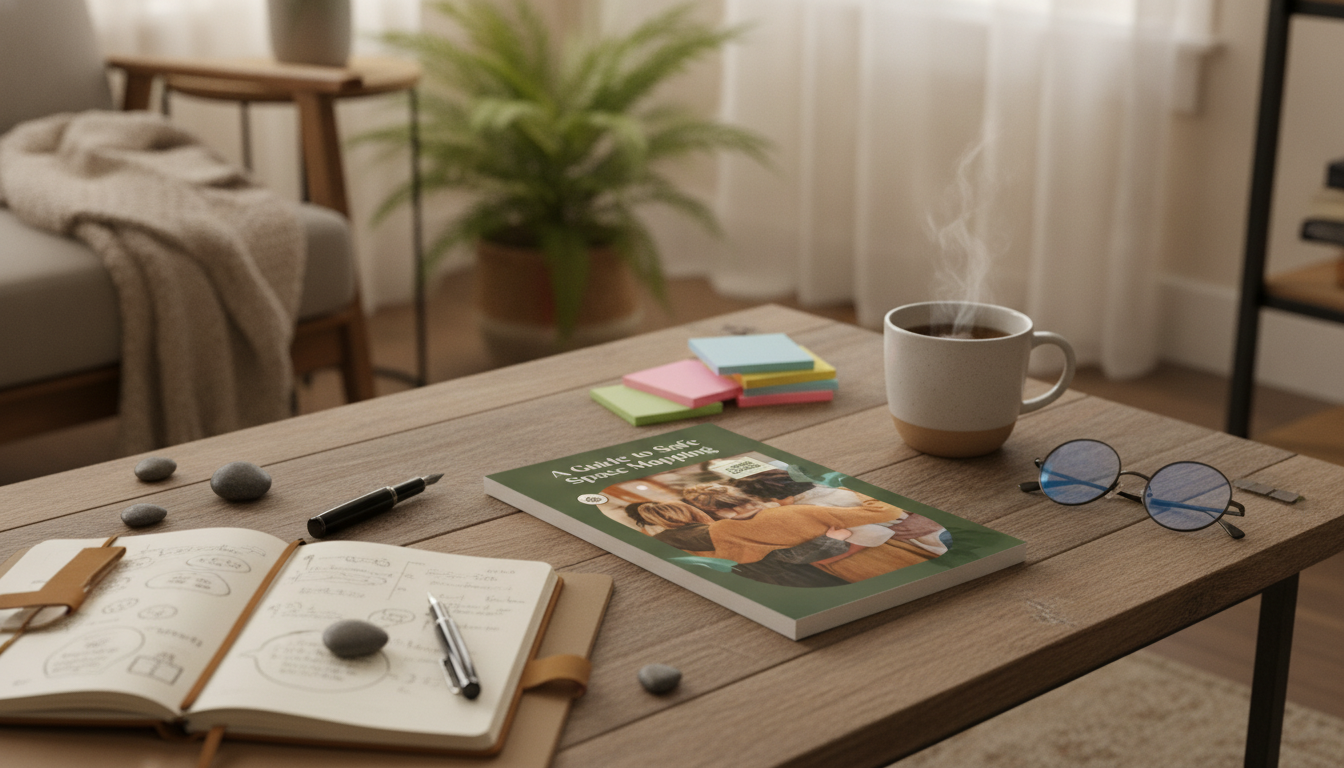
A Guide to Safe Space Mapping: Understanding, Creating, and Using Safe Spaces
Safe space mapping is a practical way to identify where safety is felt, what supports it, and how to access it in moments of stress. Instead of relying on memory when emotions are high, a map turns “what helps” into a clear, repeatable plan—across home, work, school, online spaces, and the wider community.
If you want a structured, ready-to-use version of this process, A Guide to Safe Space Mapping (digital ebook) is designed for quick revisits, weekly updates, and real-life use when you need support fast.
What “safe space” means in real life
“Safe” can mean different things depending on context, history, and what your nervous system is responding to. A useful map starts by naming the type of safety you’re looking for:
- Physical safety: freedom from harm, threats, or intimidation.
- Emotional safety: respect, care, and room for feelings without ridicule or punishment.
- Social safety: belonging, predictable norms, and protection from exclusion or shaming.
- Digital safety: privacy, control of access, and reduced exposure to harassment or manipulation.
Safe spaces are often patterns, not just places. A person who consistently respects boundaries can feel safer than a specific room. A routine—like walking the same route or making tea the same way—can signal predictability when everything else feels uncertain.
A common misconception is that “safe” means “comfortable all the time.” Safety can include hard conversations when there’s consent, respectful language, and a repair process. Psychological safety is often described as being able to take interpersonal risks without fear of punishment or humiliation (see the American Psychological Association definition of psychological safety).
Mapping helps because it reduces decision fatigue during stress: instead of trying to invent a plan mid-crisis, you follow the map.
How safe space mapping works
Step 1: Define the purpose
Pick one main use-case: daily grounding, conflict recovery, trauma-informed planning, community-building, or digital safety. A focused map is easier to use.
Step 2: Choose categories to map
Most maps work best with four categories:
- Places (where you can go)
- People (who you can reach)
- Practices (what you can do)
- Permissions (boundaries/rules that protect safety)
Step 3: Identify green/yellow/red indicators
List signals that tell you you’re okay (green), starting to strain (yellow), or at risk (red). This makes it easier to act early—before you hit your limit.
Step 4: Add access details
Write down practical “how to use it” info: hours, transportation, cost, privacy level, and any permissions needed (like a key, a buddy, or a supervisor’s approval).
Step 5: Add support scripts
| Category | Example entries | What makes it feel safe | Access plan | Red flags |
|---|---|---|---|---|
| Place | Bedroom corner, library, park bench | Quiet, predictable, personal control | Hours, route, backup options | Crowding, surveillance, conflicts |
| Person | Friend, mentor, counselor, neighbor | Nonjudgmental, consistent, respects boundaries | Best contact method, response time | Dismissive, shares private info |
| Practice | Breathing, music, movement, journaling | Regulates body and thoughts | Materials needed, time required | Triggers, pain, overuse |
| Digital | Private group, notes app, secure messaging | Privacy, control, trusted community norms | Settings, blocks/mutes, 2FA | Doxxing, harassment, data exposure |
Building safe spaces: boundaries, design, and culture
Design also matters. Lighting, seating, sound, and predictable routines can lower the stress load. Even small environmental anchors—like a dedicated side table for calming items—can help make safety easier to access. For a functional “landing spot” in a living room or bedroom, a piece like the Nordic Rabbit Statue Table with Tray can hold a notebook, earplugs, tea, or grounding objects so your tools aren’t scattered when you need them.
Culture is the long-term layer: expectations for listening, inclusion, and accountability. Trauma-informed guidance often emphasizes choice, collaboration, and empowerment (see SAMHSA’s trauma-informed care concepts and guidance).
Using the map when it matters
Create a three-tier plan
If you want a tangible reminder that your space is yours, an intentional decor anchor can help cue a calmer mode. The Modern Astronaut Floor Sculpture can function as a visual “reset point” near an entryway or workspace—less about aesthetics alone, more about predictability and signaling a boundary between stress and recovery.
Digital safe spaces: protecting privacy and reducing harm
Digital safety mapping combines emotional regulation with concrete security steps. Start with basics: strong passphrases, a password manager, and two-factor authentication. For detailed authentication standards and best practices, reference the NIST Digital Identity Guidelines.
Who safe space mapping helps—and practical ways to apply it
Digital ebook overview: A Guide to Safe Space Mapping
A Guide to Safe Space Mapping | Digital Ebook on Understanding, Creating & Using Safe Spaces is built for self-paced learning and quick reference when planning or in stressful moments. A practical approach is to pair your map with a weekly review: keep what works, update what changed, and add new supports as your life shifts.
| Item | Details |
|---|---|
| Title | A Guide to Safe Space Mapping | Digital Ebook on Understanding, Creating & Using Safe Spaces |
| Price | 16.99 USD |
| Availability | In stock |
| Product page | View digital ebook |
FAQ
Is a safe space the same as avoiding discomfort or conflict?
No. Safe spaces can include hard conversations when consent, respectful boundaries, and repair are present; safety is about protection from harm, not constant comfort.
How often should a safe space map be updated?
Review it weekly or monthly, and update it after major life changes like moving, starting a new job or school, relationship shifts, or any incident that changes your sense of safety (including online harassment).
Can safe space mapping help with online harassment or digital overwhelm?
Yes. A digital map can list privacy settings, block/mute/report steps, trusted contacts, and a pre-planned exit route so you can act quickly and then switch to recovery routines instead of staying stuck in the situation.











Leave a comment