Real-Life Healthy Meal Planning: 1-Week or 1-Month
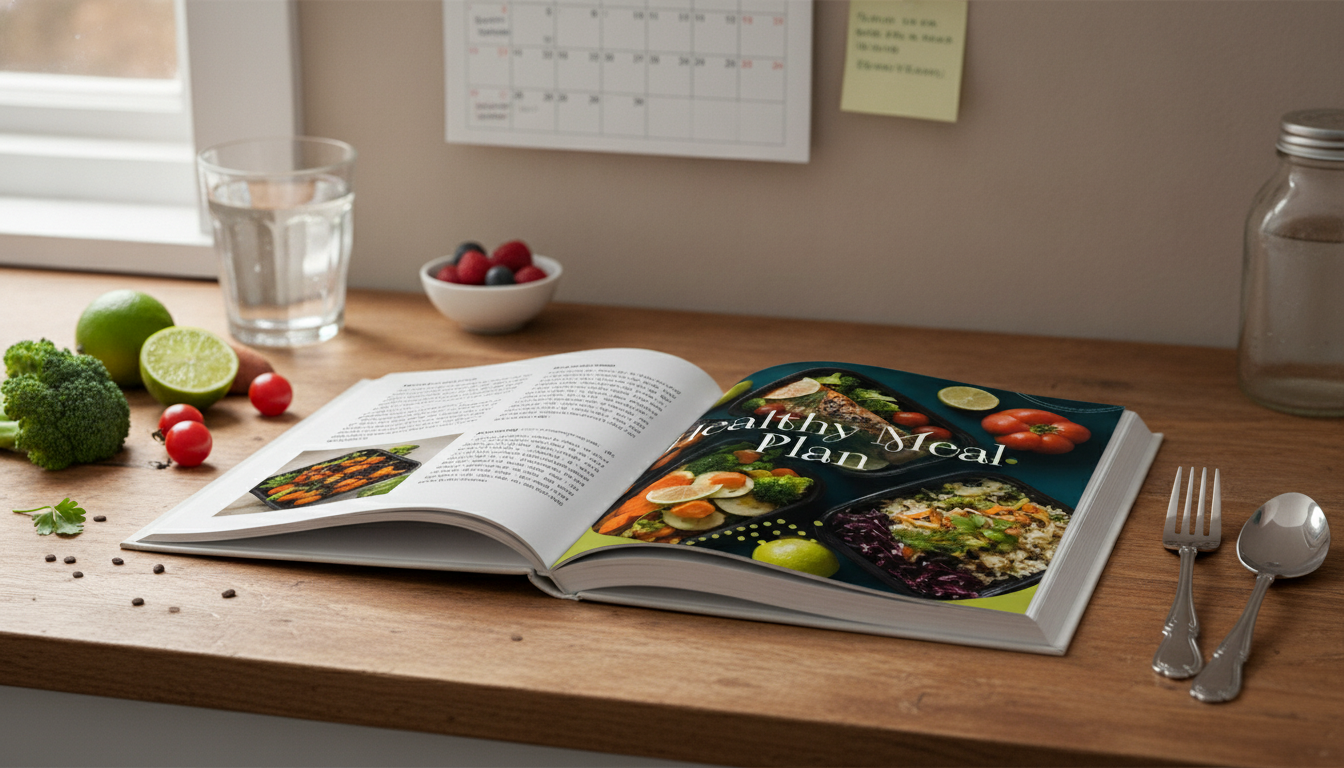
Healthy Meal Planning That Actually Fits Real Life
A practical meal plan can reduce daily decision fatigue while supporting steady energy, better portion awareness, and a consistent mix of protein, fiber-rich carbs, and healthy fats. The goal isn’t perfection—it’s a repeatable rhythm you can stick with on busy weekdays, travel weeks, or those “nothing sounds good” nights. Below is a simple framework for choosing a one-week or one-month plan, building balanced plates for breakfast, lunch, dinner, and snacks, and setting up a routine that stays flexible without requiring complicated cooking.
If you like having recipes and structure already organized, the Healthy Meal Plan & Recipe Collection (one-week or one-month) eBook is designed to make the “what do we eat?” question easier from morning to night.
What a Balanced Meal Plan Looks Like Day to Day
A balanced plan is less about strict rules and more about repeating a reliable template: protein + high-fiber produce + quality carbohydrates + healthy fats. This combination supports steadier energy, more satisfying meals, and fewer snack cravings driven by undereating earlier in the day.
- Use a simple plate method: fill half your plate with non-starchy vegetables and fruit, one quarter with protein, and one quarter with whole grains or starchy vegetables.
- Build variety across the week: rotate proteins (beans, eggs, poultry, fish, tofu), change the colors of produce, and swap different whole grains.
- Plan snacks on purpose: pairing fiber + protein helps prevent mid-afternoon crashes (fruit + yogurt, hummus + veggies, nuts + whole-grain crackers).
Balanced Meal Building Blocks (Quick Reference)
| Meal part | Examples | Simple target |
|---|---|---|
| Protein | eggs, Greek yogurt, chicken, lentils, tofu, salmon | Include at each meal; choose lean or plant-forward most days |
| Fiber-rich carbs | oats, brown rice, quinoa, beans, sweet potato, whole-grain bread | Choose whole grains/beans most often; watch added sugars |
| Non-starchy vegetables | leafy greens, broccoli, peppers, zucchini, mushrooms | Make these the default side at lunch and dinner |
| Healthy fats | olive oil, avocado, nuts, seeds, tahini | Add a small portion for satiety and flavor |
| Flavor boosters | herbs, spices, citrus, vinegar, salsa | Use to keep meals interesting without excess sodium/sugar |
For additional visual guidance, the USDA’s MyPlate Plan and Harvard’s Healthy Eating Plate offer approachable frameworks that align well with this method.
One-Week vs One-Month Plans: Choosing the Right Rhythm
The best meal plan is the one that matches your schedule and attention span. Some people thrive on variety and quick pivots; others prefer a stable routine with fewer decisions and fewer grocery runs.
- One-week plans: great for beginners, unpredictable schedules, and anyone who wants maximum flexibility while learning what works.
- One-month plans: ideal for reducing planning time, streamlining shopping, and building habits through repeatable structure (with small variety swaps).
- Hybrid approach: follow a weekly template, rotate 2–4 breakfasts and lunches, and vary dinners more.
- Reality check: choose based on cooking skill, household size, food preferences, schedule variability, and budget.
A Simple Weekly Template for Breakfast, Lunch, Dinner, and Snacks
Instead of planning seven totally different days, start with a template that repeats the “shape” of your day. This reduces friction while still leaving room for cravings and seasonal ingredients.
Breakfast: Keep It Easy and Protein-Forward
- Weekday rotation: pick two options you can make on autopilot (overnight oats; egg + veggie scramble).
- Weekend option: choose one slightly slower breakfast (yogurt parfait; whole-grain waffles with nut butter + berries).
Lunch: Buildable Bowls and Salads Win
- Use leftovers strategically: cook extra dinner protein so lunch is halfway done.
- Default formats: grain bowl, chopped salad, or a wrap + side fruit.
- Balance check: include a protein, at least one colorful produce item, and a fiber-rich carb (beans, quinoa, whole-grain bread).
Dinner: A 7-Night Structure That Prevents Burnout
Snacks: Plan 1–2 to Match Your Day
Meal Prep That Saves Time Without Eating the Same Thing Every Day
Grocery Planning and Budgeting for a Full Week (or Month)
Keeping Meals Satisfying: Energy, Fullness, and Consistency
For more foundational guidance on healthy eating patterns, the CDC’s overview on Healthy Eating for a Healthy Weight provides practical, evidence-based recommendations.
Healthy Meal Plan & Recipe Collection eBook: What It Helps With
A good plan doesn’t just provide recipes—it provides a system. The Healthy Meal Plan & Recipe Collection | One-Week or One-Month Healthy Meal Plan with Recipes for Breakfast, Lunch, Dinner & Snacks | Balanced Nutrition eBook is built to support either a one-week reset or a one-month routine, with a balanced mix of meals and snacks.
Small home upgrades that can support a smoother routine
- Nordic Rabbit Statue Table with Tray for a handy drop-zone (fruit bowl, snack tray, or meal-prep containers).
- Luxury Gold Ceramic Bathroom Sink if you’re refreshing your space for an overall “reset” at home.
- Modern Astronaut Floor Sculpture to add a statement piece that makes your environment feel more intentional.
FAQ
Is a one-week or one-month meal plan better for beginners?
A one-week plan is usually best at first because it’s flexible and helps you learn what breakfasts, lunches, and dinners you’ll actually repeat. Once you’ve found a few favorites and your shopping routine feels smoother, moving to a one-month plan can save more time.
How can meals stay balanced without tracking calories or macros?
Use the plate method: prioritize protein and vegetables, choose whole grains or beans for your main carbs, and add a small portion of healthy fats for satisfaction. Consistency with this structure typically matters more than perfect precision.
What are easy snack ideas that support steady energy?
Pair protein + fiber, such as yogurt + berries, hummus + veggies, nuts + fruit, cottage cheese + tomatoes, or roasted chickpeas. These combinations tend to feel more filling than snacks that are mostly refined carbs.









Leave a comment