Guided Meditation Audio Course for Anxiety Relief & Calm
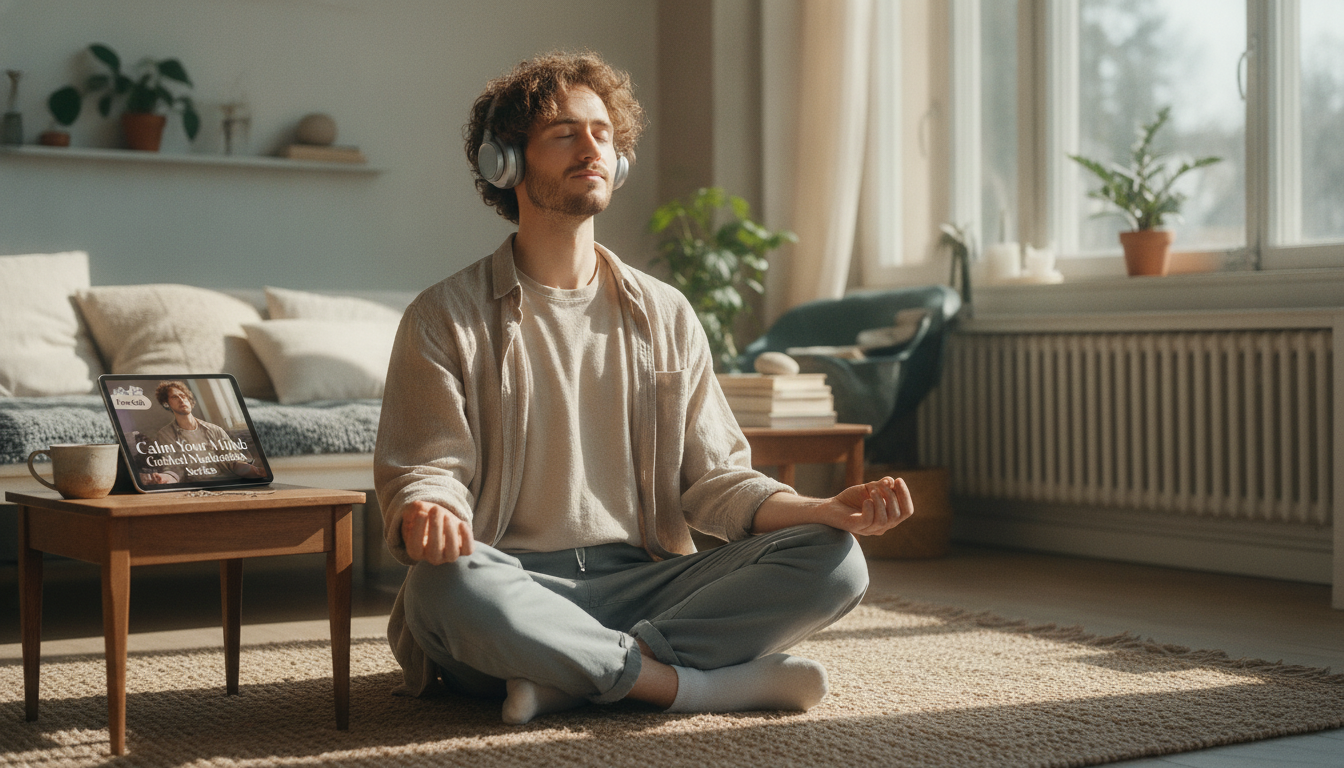
Calm Your Mind: A Guided Meditation Audio Course for Anxiety Relief and Everyday Balance
Racing thoughts, tension in the body, and a constant sense of “on edge” can make even simple days feel heavy. A guided meditation audio course offers a structured way to settle the nervous system, build steadier attention, and create a repeatable routine for calmer mornings, smoother workdays, and easier nights—without needing prior meditation experience.
Calm Your Mind: Guided Meditation Series (Audio Course) is designed to meet you where you are: real life, real stress, and a mind that doesn’t magically go silent on demand.
What This Guided Meditation Series Helps With
- Reducing mental noise: gentle guidance that keeps attention from spiraling into worry loops
- Easing body tension: cueing relaxation through breath, scanning, and releasing tight areas
- Building a consistent practice: short, repeatable sessions that fit busy schedules
- Supporting sleep readiness: downshifting after stressful days with calmer pacing and focus
- Creating a “pause” skill: practicing a quick reset that can be used during anxious moments
How Guided Audio Meditation Calms Anxiety (Without Forcing the Mind to Go Blank)
Meditation for anxiety isn’t about winning a battle against thoughts. It’s about learning what to do when thoughts show up—so they don’t automatically pull you into a full-body stress response.
- Attention training: returning to a simple anchor (breath, sound, body sensations) reduces rumination over time.
- Physiological settling: slower breathing and progressive relaxation can support a calmer stress response, similar to other relaxation techniques used in stress management.
- Cognitive defusion: noticing thoughts as events in the mind rather than facts that must be solved immediately.
- Emotional regulation: practicing acceptance and gentle redirection instead of battling feelings.
- Habit loop support: using the same audio cues consistently can make relaxation easier to access.
For a research-based overview of mindfulness and stress reduction, see the American Psychological Association’s summary on mindfulness meditation and stress. For benefits and safety considerations, the NIH’s NCCIH also provides an evidence-focused guide on meditation and mindfulness for anxiety and stress.
What’s Included in Calm Your Mind (Audio Course Overview)
- A guided series designed for anxiety relief and everyday stress reduction
- Audio-based format for use during commutes, breaks, walks, or bedtime routines
- Beginner-friendly guidance with clear prompts and gentle pacing
- Repeatable sessions to reinforce familiarity and reduce decision fatigue
- A simple structure that can be paired with journaling, stretching, or breathwork if desired
Quick course fit guide
| Need | Best time to listen | Suggested approach | What to notice |
|---|---|---|---|
| Morning anxiety or dread | After waking | Listen before checking phone/email | Breath depth, jaw/shoulder tension, mental speed |
| Midday stress buildup | Lunch break or short pause | Use as a reset between tasks | Heart rate, urge to multitask, neck tension |
| Evening decompression | After work | Pair with a brief walk or light stretching | Body heaviness, exhale length, emotional tone |
| Trouble falling asleep | In bed | Dim lights; keep volume low; replay as needed | Racing thoughts, muscle release, sleepiness cues |
A Simple 7-Day Routine for Noticeable Calm
- Day 1–2: Keep it short and consistent; focus on showing up, not doing it “perfectly.”
- Day 3–4: Add a one-sentence check-in before and after (e.g., “Mind fast, shoulders tight” → “Mind slower, chest softer”).
- Day 5: Practice a mini-reset during the day by replaying a familiar segment or repeating a key phrase from the session.
- Day 6: Use the audio at the first sign of spiraling rather than waiting until anxiety peaks.
- Day 7: Choose the most helpful session and commit to repeating it for the next week.
Consistency works because your brain starts to recognize the sequence: voice, cue, breath, release. Over time, that pattern becomes easier to access—even when you’re not listening.
Getting the Most from Each Session
- Set the environment: reduce notifications; choose a comfortable position; keep a blanket nearby if helpful.
- Use a gentle anchor: breath, body sensations, or a sound—then return to it when attention drifts.
- Allow thoughts to pass: label them simply (“planning,” “worrying,” “remembering”) and come back to the guidance.
- Track small wins: calmer breathing, softer shoulders, fewer replays of the same worry are meaningful changes.
- Keep expectations realistic: the goal is steadier regulation over time, not instant calm every session.
If your body holds stress strongly, pairing the audio with basic relaxation skills—like breath focus or progressive muscle relaxation—can be especially supportive. The Mayo Clinic provides a clear overview of relaxation techniques that complement meditation well.
Who This Audio Course Is For (And When to Seek Extra Support)
Product Details and Where to Start
Product: Calm Your Mind: Guided Meditation Series | Audio Course | Anxiety Relief Meditation
Supportive Add-Ons for Focus and Follow-Through
- Pair a brief daily meditation with a short planning block to reduce overwhelm and improve follow-through.
- If the goal is calmer focus during work or study, combine the audio sessions with a distraction-reduction routine (single-tasking, timed breaks).
- For a practical framework that supports momentum, consider Finally Focused: The Anti-Procrastination Workbook alongside your listening routine.
FAQ
How long should a guided meditation session be for anxiety relief?
A practical range is 5–20 minutes, with consistency mattering more than duration. If stillness ramps up anxiety, start with 5 minutes and build slowly as your body learns the cues for settling.
What if guided meditation makes anxiety feel stronger at first?
That can happen when you finally pause and notice what’s been building in the background. Try shorter sessions, keep your eyes open, feel your feet on the floor, and emphasize slow exhales; if symptoms escalate or feel unmanageable, seek professional support.
Can this audio course help with sleep?
Yes—guided pacing, breath cues, and relaxation prompts can support sleep readiness by helping your system downshift. Use low volume, dim light, and replay a familiar track so your brain associates it with winding down.









Leave a comment