Guided Self-Love Meditations for Worthiness & Calm
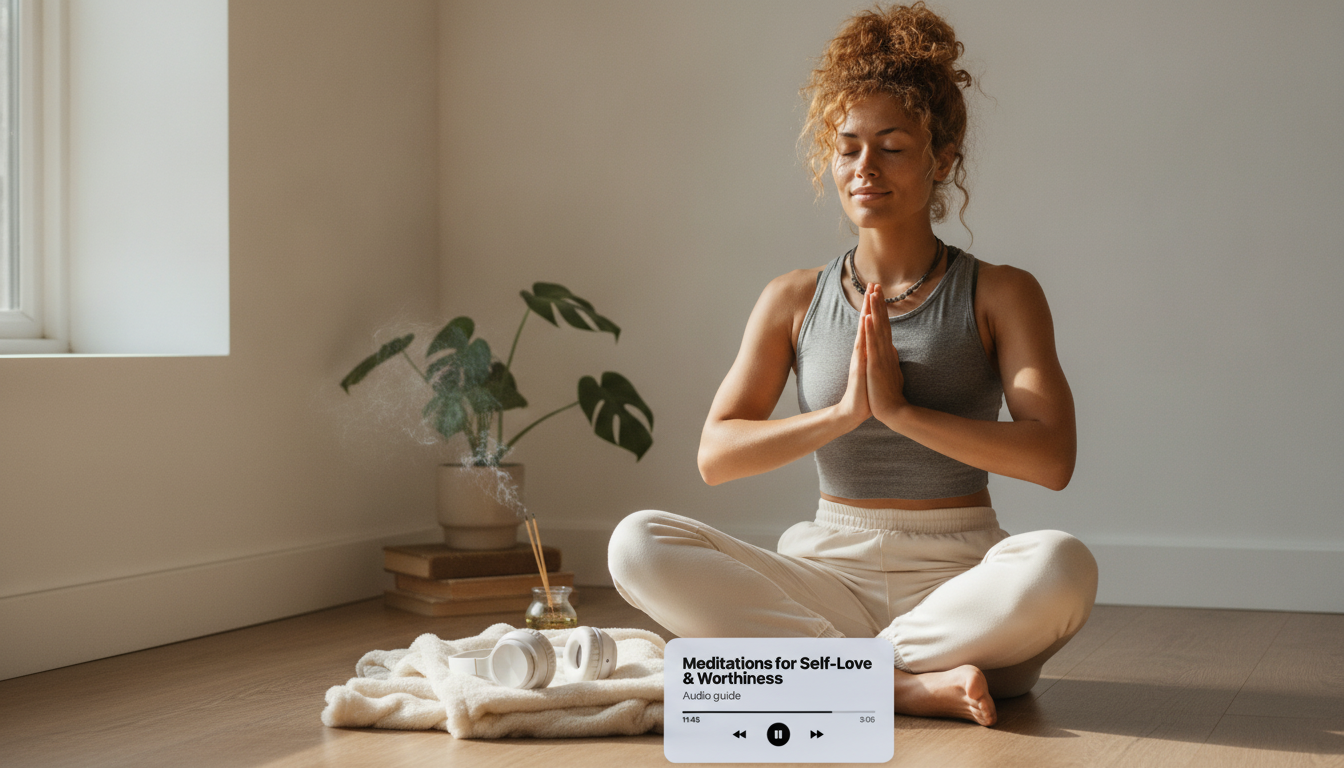
Meditations for Self-Love & Worthiness: Guided Audio Practices for Confidence, Calm, and Inner Healing
Self-love and worthiness aren’t traits to “earn”—they’re capacities that can be strengthened through repeated, gentle practice. Guided meditations, affirmations, and mindfulness exercises can help settle the nervous system, soften self-criticism, and rebuild inner safety so confidence feels grounded rather than forced. This guide lays out practical ways to use an audio course format to create consistent moments of calm, reconnect with your value, and support deeper emotional healing over time.
What self-love and worthiness practices actually change
When practice is simple and repeated, it tends to work on the places where self-doubt lives: attention, body cues, and your default inner language.
- Reduces harsh inner commentary: training attention to return to supportive language and present-moment sensations can lower how often self-criticism takes over.
- Builds emotional tolerance: sitting with discomfort in small, manageable doses makes difficult feelings feel less threatening over time.
- Creates new “default” responses: practicing compassion during triggers (shame, comparison, rejection sensitivity) can reduce spiraling.
- Improves self-trust: keeping small commitments (even 5–10 minutes) reinforces the belief that needs matter and can be met.
- Supports inner healing: pairing mindfulness with soothing cues (breath, body relaxation, affirmations) signals safety to the body.
For a research-grounded overview of meditation and mindfulness benefits and safety considerations, see NCCIH: Meditation and Mindfulness—Effectiveness and Safety and the American Psychological Association’s mindfulness meditation resource.
Why audio-guided practice can feel easier than doing it alone
Many people “know what to do” but struggle to start. Audio guidance reduces the friction of getting into the practice—especially on days when motivation is low.
- A steady voice provides structure, reducing decision fatigue and making it easier to begin.
- Prompts redirect attention away from rumination and back to breath, body, and kinder self-talk.
- Audio routines are portable—use them during morning transitions, lunch breaks, or winding down at night.
- Paced breathing and relaxation cues can downshift stress responses quickly with consistent practice.
- Repetition helps new beliefs feel familiar; supportive phrases can become more believable over time.
Meditation styles and when to use them
| Practice type | Best for | Typical length | How it helps worthiness |
|---|---|---|---|
| Grounding mindfulness | Anxiety, overthinking, feeling scattered | 5–12 min | Re-centers attention and reduces identification with self-judgment |
| Guided self-compassion | Shame spirals, perfectionism, inner criticism | 10–20 min | Replaces harshness with supportive internal care |
| Affirmations (spoken or listened) | Low confidence, self-doubt, negative self-image | 3–10 min | Rehearses kinder beliefs until they feel more accessible |
| Body scan / relaxation | Tension, insomnia, burnout | 10–25 min | Teaches safety in the body; softens guardedness |
| Inner healing visualization | Old emotional wounds, feeling “not enough” | 12–25 min | Supports reprocessing with gentleness and reassurance |
Self-compassion is a particularly practical bridge between “I’m struggling” and “I can support myself,” especially when shame is active. For a helpful overview, see Greater Good Science Center: Self-Compassion.
A simple daily rhythm for confidence, calm, and emotional safety
Confidence often grows from steadiness: learning that you can return to yourself even when life feels loud. A light daily rhythm can help.
- Morning (3–8 minutes): choose a short grounding meditation to set a steady baseline before stressors begin.
- Midday (2–5 minutes): use brief affirmations or mindful breathing to interrupt self-criticism and reset focus.
- Evening (10–20 minutes): select a deeper guided practice (self-compassion, body scan, or inner healing) to unwind.
- On high-stress days: prioritize nervous-system support first (breath, relaxation), then add affirmations once the body feels calmer.
- Track consistency, not “perfect sessions”: aim for frequency (most days) rather than intensity (long sessions).
Making affirmations work when the mind resists
If affirmations trigger an eye-roll or a surge of self-criticism, that doesn’t mean they “don’t work.” It often means the wording is too far from what feels believable right now.
Mindfulness for worthiness: noticing without agreeing
A practical option for guided self-love practice
- Meditations for Self-Love & Worthiness audio course is built around guided meditations, affirmations, and mindfulness to support confidence, calm, and inner healing.
- It’s easy to adapt: choose shorter tracks for busy days and longer sessions for deeper unwinding.
- It can be especially helpful when self-judgment is loud and you want structured prompts to practice compassion.
- Try pairing listening with 1–3 minutes of journaling to capture helpful phrases and reinforce supportive beliefs.
To support a calmer routine, a dedicated “drop zone” for a journal, tea, or headphones can help reduce friction. A small accent piece like the Nordic Rabbit Statue Table with Tray can make a corner of the room feel intentionally set aside for daily decompression.
Getting the most out of a guided course over 2–4 weeks
FAQ
How often should guided self-love meditations be done to notice a difference?
Aim for most days, even if it’s only 5–10 minutes. Notice small shifts—like less frequent self-criticism, a calmer body response, or faster recovery after a trigger—as signs the practice is working.
What if affirmations feel fake or make self-criticism worse?
Switch to “bridge” statements that feel believable and pair them with grounding (breath or a hand on the heart). If resistance spikes, use mindfulness or self-compassion first, then return to affirmations once your nervous system feels steadier.
Can mindfulness and guided meditations help with confidence without forcing positivity?
Yes—confidence can look like steadiness and self-trust rather than hype. Mindfulness helps you notice self-doubting thoughts without automatically agreeing, then follow a session with one small aligned action that reinforces your worth.











Leave a comment