Kids PDF Story Collection: Imaginative Tales With Lessons
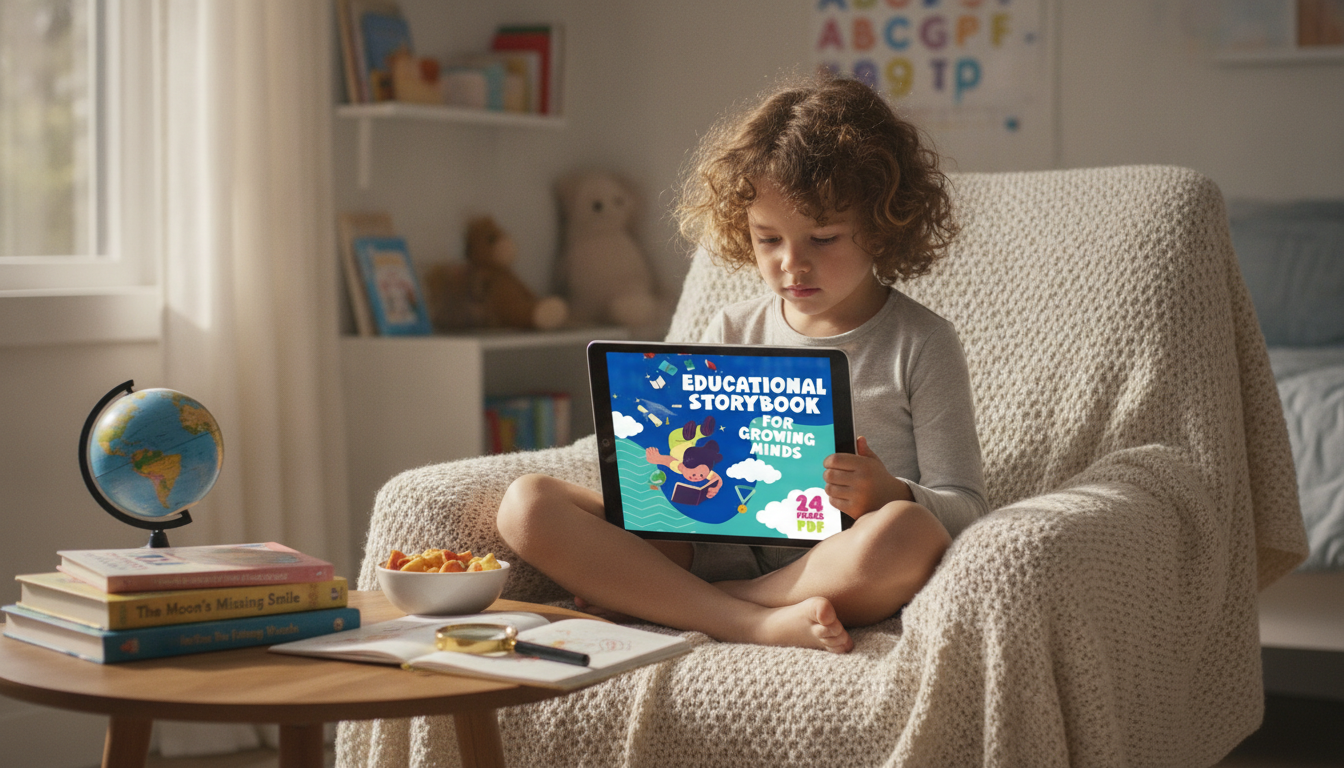
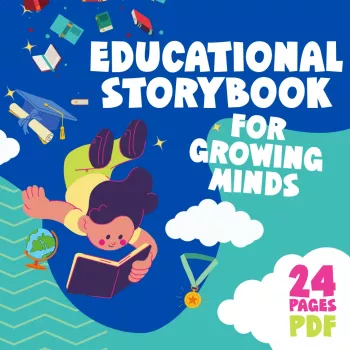
Educational Storybook for Growing Minds: Imaginative Tales That Teach and Inspire
Storytime can be more than entertainment—when kids meet brave characters, curious problem-solvers, and kind friends on the page, they practice emotional skills and thinking habits that carry into real life. This digital story collection is designed for easy reading at home or on the go, pairing imaginative adventures with clear lessons that support early learning and positive character growth.
What this story collection is and who it’s for
This is a kids-focused eBook delivered as a digital download in PDF format, so it’s ready when you are—no waiting for shipping and no extra space needed on a shelf. Each imaginative story naturally leads to a lesson children can recognize, talk about, and try in everyday situations.
- A kids-focused eBook delivered as a digital download in PDF format for quick access
- Built around imaginative stories that naturally lead to lessons kids can recognize and discuss
- Useful for families who want screen-time to feel purposeful, and for caregivers who want ready-to-read material
- Works well for independent reading (for confident readers) or read-aloud sessions (for younger kids)
- Designed for repeat reading—kids often absorb lessons more deeply on the second and third pass
If you’re looking for a simple, meaningful addition to your routine, Educational Storybook for Growing Minds | Kids eBook | Digital Download | Imaginative Stories with Lessons | Learning Story Collection PDF is built to keep storytime light, engaging, and easy to revisit.
Why stories help kids learn without feeling like homework
Kids don’t need every lesson delivered like a rule. Stories allow children to “try on” decisions through characters—watching what happens next and building reasoning skills along the way. Narratives also create emotional distance, making it easier for kids to talk about tough moments (jealousy, worry, frustration) without feeling put on the spot.
- Narratives create memorable “cause and effect” chains that support comprehension and reasoning
- Characters give children a safe way to explore big feelings and social situations
- A short story format supports attention span and helps build reading stamina over time
- Lessons land better when they are shown through actions and choices rather than told as rules
- Read-aloud time supports vocabulary growth and conversation skills when adults pause for quick questions
Many child development experts encourage regular shared reading because it builds language and connection. The American Academy of Pediatrics highlights reading as a strong support for early literacy and family bonding (Reading and Early Literacy). For even more practical guidance on matching books to kids, Reading Rockets offers helpful tips for choosing titles by interest and level (How to Choose Books for Kids).
Skills and values kids can practice through imaginative lessons
Well-crafted stories make it easier to talk about character, choices, and consequences—without turning every moment into a lecture. Over time, kids start to recognize patterns: “When I pause and use my words, things go better,” or “Trying again works, even if it’s hard.”
- Empathy and kindness: noticing how actions affect others and practicing helpful choices
- Perseverance: trying again, handling mistakes, and learning from setbacks
- Curiosity and creativity: exploring ideas, asking questions, and thinking beyond one “right” answer
- Responsibility: following through, telling the truth, and making thoughtful decisions
- Self-regulation: calming down, waiting turns, and using words to express feelings
Storytime prompts that deepen the lesson
| Skill | Quick question to ask | Simple follow-up activity |
|---|---|---|
| Empathy | How did the character feel when that happened? | Draw a “kind choice” poster with 3 actions |
| Perseverance | What could they try differently next time? | Make a small goal chart for the week |
| Responsibility | What was the consequence of the choice? | Role-play a better choice in 60 seconds |
| Self-regulation | What helped them calm down? | Practice a 3-breath reset together |
How to use a digital PDF storybook in everyday routines
For younger kids, the biggest value often comes from quick back-and-forth conversation. Harvard’s “serve and return” concept explains how responsive interaction supports learning and connection—something that can happen naturally during read-aloud time when kids point, ask, and react (Serve and Return).
What to look for in a kids story collection with lessons
Product details at a glance
Quick snapshot
| Feature | What it means for families |
|---|---|
| Digital download (PDF) | Start reading quickly and keep a copy on preferred devices |
| Imaginative stories | Engages attention while introducing relatable situations |
| Lessons woven into the plot | Makes it easier to talk about behavior and choices |
| Collection format | Multiple stories to rotate so storytime stays fresh |
Pairing ideas: building a simple learning routine beyond storytime
And for the adults trying to keep household rhythms running smoothly, a separate productivity tool can help protect the time you want to spend reading together. If you’re building better routines overall, Finally Focused: The Anti-Procrastination Workbook – Productivity Ebook & Focus-Building Guide with Time Management Tools can complement family learning habits by supporting planning, follow-through, and time management.
FAQ
How does the digital download work after purchase?
After checkout, the PDF is typically available right away through a download link or your order confirmation. Save it to a phone, tablet, or computer so you can open it easily and read offline when needed.
What ages is this story collection best for?
It’s a flexible fit: younger children often enjoy it as a read-aloud, while older kids can use it for independent reading practice. Choosing based on reading level, interest, and attention span tends to work better than relying on a strict age range.
How can parents help kids connect the story lesson to real life?
Ask one quick question like “What would you do?” or “How did that choice affect others?” Then do a short follow-up—drawing a kind choice, practicing a calming breath, or role-playing a better decision in under a minute.











Leave a comment