Pet First Aid Cheat Sheet: Emergency Steps + Printable
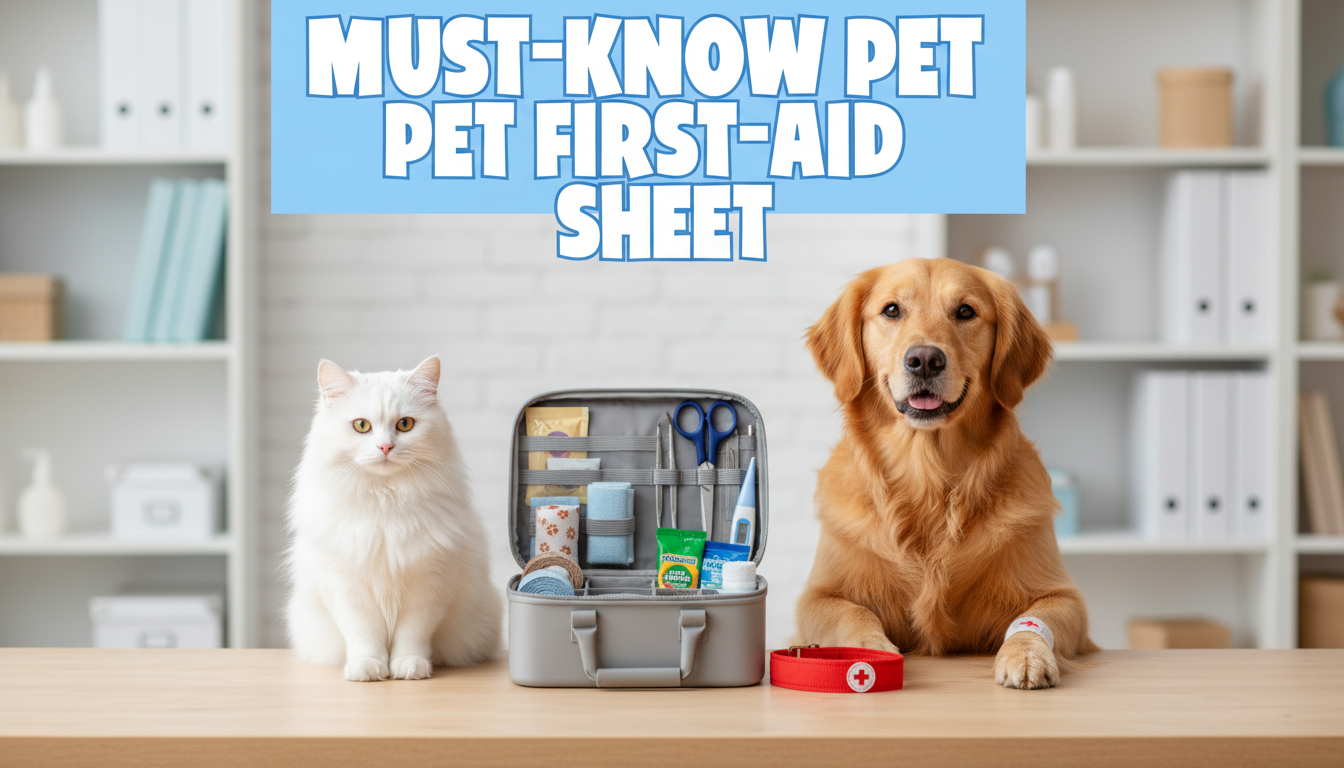
Must-Know Pet First-Aid Cheat Sheet: Quick Emergency Steps, Vet-Approved Priorities, and a Printable Guide
Emergencies with pets move fast—choking, bleeding, seizures, poisoning scares, heatstroke, or sudden collapse. A simple, printable cheat sheet helps keep priorities straight: stay safe, stabilize breathing and bleeding, prevent worsening injury, and contact a veterinarian with the right details. Use the sections below to set up a plan, build a kit, and practice the first steps that matter most.
Before an Emergency: Set Up a Calm, Fast Response Plan
When adrenaline hits, decision-making gets noisy. A short plan—written down—turns panic into steps you can follow.
- Save key numbers now: your primary vet, the nearest 24/7 emergency clinic, and a pet poison hotline. Store them in your phone and post them on the fridge.
- Know the fastest route to the emergency clinic. Keep a carrier, leash, and a muzzle option accessible (even gentle pets may bite when injured).
- Keep recent pet info ready: weight, medications, chronic conditions, allergies, microchip number, and a clear photo.
- Decide who does what: one person stabilizes and monitors; the other calls the clinic and clears a path for transport.
If you want a ready-to-print layout that organizes those priorities, keep a copy of the Must-Know Pet First-Aid Cheat Sheet (printable emergency guide) with your kit and another copy in the car.
First Priorities: Safety, Breathing, Bleeding, and Shock
In most pet emergencies, the first minutes matter most. Think: Safety → Breathing → Bleeding → Shock → Transport.
Fast Triage: What to Do Now vs. Call a Vet Now
| Situation | Immediate first step | Call/Go now? |
|---|---|---|
| Not breathing / blue gums | Clear airway if safe; start CPR if trained; urgent transport | Go immediately |
| Heavy bleeding that won’t slow in 2–3 minutes | Direct pressure + wrap; keep pet still | Go immediately |
| Suspected poisoning (chewed meds, lilies, antifreeze, rodent bait) | Remove access; keep packaging; do not induce vomiting unless told | Call poison line/vet immediately |
| Seizure | Keep area safe; time it; do not restrain; keep hands away from mouth | Call same day; emergency if >5 minutes or repeats |
| Heatstroke signs (collapse, excessive panting, bright red gums) | Move to cool area; cool with lukewarm water; offer small sips if alert | Go immediately |
| Choking / gagging | Look for visible object; avoid blind finger sweeps; seek urgent help | Go immediately if distress continues |
| Limping or minor cut | Restrict activity; rinse wound; light bandage if tolerated | Call for guidance; urgent if severe pain/swelling |
What Belongs in a Pet First-Aid Kit (and What to Skip)
How to Use a Printable Cheat Sheet When Stress Is High
For a ready-to-print layout you can keep in your kit, use the Must-Know Pet First-Aid Cheat Sheet | Emergency Printable Guide for Pet Owners | Vet Tips.
Common Emergencies: Safe First Steps and When It’s Urgent
Poisoning
Bring the product label, packaging, or a clear photo of the plant. Don’t give milk, oil, or home remedies unless instructed. Timing matters, so contact a professional immediately for next steps. The ASPCA Animal Poison Control shares guidance on what information to collect.
Choking and breathing trouble
Wounds and bites
Fractures and major trauma
Don’t attempt to set a bone. Immobilize and transport on a firm surface and keep your pet warm and quiet. For general first-aid do’s and don’ts, the American Veterinary Medical Association (AVMA) first aid tips are a reliable reference.
Heat emergencies
Calling the Vet: The Details That Help the Fastest
If you like having a simple system for keeping emergency notes, checklists, and reminders consistent, pairing your pet plan with a general organization tool can help. Some pet owners keep a small preparedness binder alongside tools like Finally Focused: The Anti-Procrastination Workbook – Productivity Ebook & Focus-Building Guide with Time Management Tools to stay on top of updates (like expiring supplies and new meds).
Keep It Simple: A Small Routine That Makes a Big Difference
- Monthly 2-minute check: confirm the kit is stocked, the cheat sheet is readable, and phone numbers are current.
- Refresh training: watch a reputable pet CPR/first-aid refresher annually and keep notes next to the cheat sheet. For additional background reading, VCA Animal Hospitals’ first-aid guidance is a helpful resource.
- Travel readiness: stash a mini-kit in the car and add a copy of the cheat sheet to pet-sitting instructions.
For families who like “one place for everything,” a digital bundle approach can help you centralize planning across life and pet logistics; some shoppers keep a planning folder alongside tools like The Income Multiplier Bundle | 4-in-1 Bundle for broader household readiness goals.
FAQ
Should vomiting be induced if a pet eats something toxic?
Often no—whether vomiting is safe depends on the toxin, timing, and your pet’s condition. Call a veterinarian or poison hotline first and have the product label or ingredients ready.
What are the clearest signs that a pet needs emergency care right away?
Not breathing, blue or very pale gums, collapse, uncontrolled bleeding, suspected poisoning, severe breathing distress, heatstroke signs, repeated seizures, or any major trauma should be treated as an immediate emergency.
What’s the best way to control bleeding before reaching a clinic?
Apply firm, direct pressure with clean gauze or cloth and keep it in place. If blood soaks through, add layers without removing the first one, keep your pet calm and still, and seek urgent veterinary help if bleeding persists.











Leave a comment